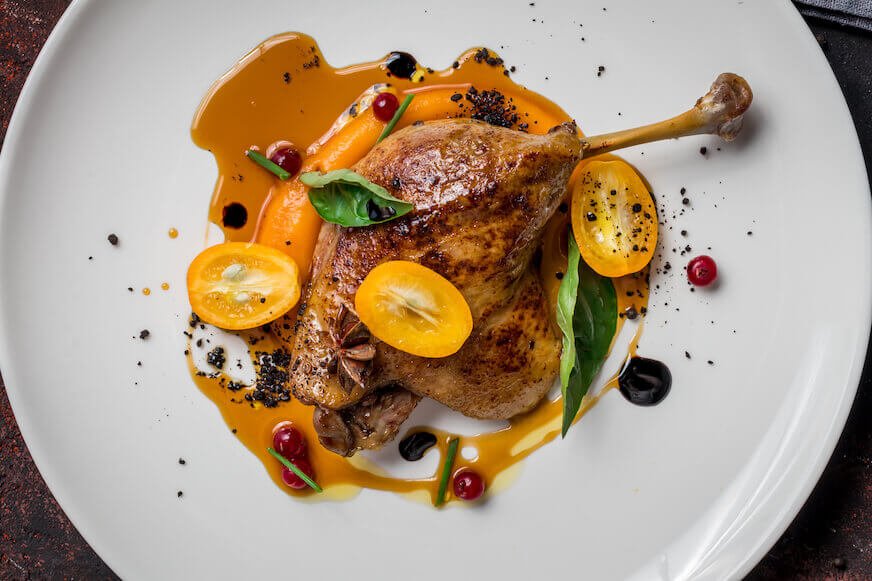
Ever wondered why a humble bowl of rice in Japan tastes wildly different from one in Spain, or why the same ingredients yield such distinct dishes across continents? It all boils down to Cuisine Specifics – the intricate web of traditions, practices, and influences that define what we eat, where we eat it, and how it’s prepared. Far more than just a list of ingredients, a cuisine is a cultural blueprint for sustenance, reflecting centuries of history, geography, and human ingenuity. It’s a delicious lens through which we can understand the world.
Ready to dive into the flavorful universe of global gastronomy? Let's explore.
At a Glance: Understanding Cuisine Specifics
- More Than Just Recipes: A cuisine is a distinct set of cooking traditions tied to a specific culture or region.
- Shaped by Everything: Climate, economics, religious laws, and cultural practices are its primary architects.
- Diverse Categories: From global and regional to historical and religious, cuisines span a vast spectrum.
- Staples Tell a Story: Core ingredients like corn, wheat, rice, and fats often define major culinary divisions across the globe.
- A Living Tradition: Cuisines evolve, influencing and being influenced by global trends while retaining their unique identity.
What Exactly Are Cuisine Specifics?
At its heart, a cuisine is the culinary signature of a people or place. It's not just what they eat, but how they eat it, the rituals involved, the specific cooking techniques passed down through generations, and the unique flavor profiles that emerge from a combination of local ingredients and shared history. Think of it as a culinary ecosystem: distinct, self-sustaining, and deeply rooted in its environment.
When we talk about cuisine specifics, we're dissecting this ecosystem. We're looking at the particular styles of food and drink preparation that produce individual dishes or entire meals. These traditions are often so intertwined with a region that the cuisine takes its name directly from its origin, like "French cuisine" or "Mexican cuisine." They're a direct reflection of what's available—whether grown locally, hunted, fished, or brought in through trade—and how cultural beliefs, including religious food laws, guide their preparation and consumption.
The Unseen Architects of Flavor: What Shapes a Cuisine?
Every bite of a traditional dish carries the weight of history and geography. The fundamental factors shaping any cuisine are remarkably consistent across cultures, yet their expressions are endlessly varied.
- Climate and Geography: This is the most primal influence. What can grow, thrive, or be hunted in a given area directly dictates the raw materials available. A tropical climate rich in fruit and spices will naturally foster a different culinary tradition than an arid desert or a frigid tundra. The availability of fuel for cooking also played a crucial role; for instance, historical Chinese cuisine developed methods of cutting food into small pieces to facilitate quick cooking, conserving scarce firewood.
- Economic Conditions and Trade: Access to ingredients isn't just about local growth; it's also about trade. Silk Roads, maritime routes, and modern logistics have introduced exotic spices, new grains, and diverse livestock to distant lands, sparking culinary innovation. Conversely, scarcity can lead to inventive use of limited resources or the development of preservation techniques that double as flavor enhancers.
- Religious or Sumptuary Laws: Spiritual beliefs frequently impose dietary restrictions or requirements. Halal for Muslims, Kosher for Jews, and various forms of vegetarianism in Hinduism and Buddhism are prime examples. These laws not only dictate what can or cannot be eaten but also influence preparation methods, creating entire culinary sub-traditions.
- Cultural Differences and Social Practices: Beyond religion, broader cultural norms around eating — communal meals, street food culture, celebratory feasts, or daily sustenance — all leave their mark. The importance of presentation, the use of specific utensils, or even meal timings contribute to a cuisine's unique character.
- Preservation Methods: Before refrigeration, preservation wasn't just practical; it was essential. Techniques like smoking, curing, pickling, and fermenting became integral to a cuisine's flavor profile, adding distinctive tastes and textures that remain cherished even today. Think of the smoky depth in charcuterie or the tangy bite of kimchi.
Beyond Borders: Types of Cuisines You'll Encounter
Cuisines aren't monolithic; they exist in various forms and at different scales. Understanding these categories helps us appreciate their specific nuances.
- Global Cuisine: These are local or national cuisines that have transcended their origins to be enjoyed worldwide. Italian pasta, Japanese sushi, and Chinese stir-fries are prime examples, found on nearly every continent, often adapted to local tastes. While you might find exceptional examples of Italian food thriving in unexpected places, the essence remains globally recognizable.
- Regional Cuisine: This category delves deeper, focusing on variations within nations, states, or even local regions. Differences arise from local food availability, microclimates, trade routes, specific cooking traditions, and distinct cultural identities. A "traditional cuisine" within this category often represents a coherent food preparation heritage from a people's daily life over time in a specific region, standing out from the broader national cuisine.
- Cuisine Styles: These define approaches to cooking rather than geographic origin.
- Fast Food: Emphasizes quick preparation and service, often standardized.
- Fusion Cuisine: Blends culinary traditions from different regions or cultures, like Korean-Mexican fusion tacos.
- Haute Cuisine: A highly refined, often elaborate and expensive, style of French cooking.
- Molecular Gastronomy (Note by Note Cuisine): A scientific approach to cooking that explores the physical and chemical transformations of ingredients.
- Nouvelle Cuisine: A reaction against haute cuisine, focusing on lighter, fresher dishes with artistic presentation.
- Vegan Cuisine: Excludes all animal products.
- Vegetarian Cuisine: Excludes meat, poultry, and seafood (with variations like ovo-lacto vegetarianism). Indian vegetarian cuisine is a rich and diverse example.
- Street Food: Ready-to-eat food or drink sold by a vendor in a public place, often reflecting local culinary traditions cheaply and accessibly.
- Religious Cuisines: These are shaped directly by religious dietary laws and traditions, often creating distinct culinary practices. Examples include:
- Buddhist Cuisine: Often vegetarian, with specific practices like Korean temple cuisine.
- Chinese Religious Cuisines: Including Buddhist, Islamic, and Taoist variations.
- Christian Diet: Varies by denomination (Catholic, Coptic Orthodox, Ethiopian Orthodox), with regional expressions like Goan Catholic or Mangalorean Catholic cuisines.
- Hindu Diet: Frequently emphasizes vegetarianism and specific dietary principles.
- Islamic Diet: Adheres to Halal principles (e.g., Chinese Islamic cuisine).
- Jain Diet: Strictly vegetarian, avoiding root vegetables.
- Jewish Cuisine: Governed by Kosher laws, with a vast diaspora creating diverse sub-cuisines like Ashkenazi, Sephardic, Mizrahi, Bukharan, Ethiopian, and Syrian Jewish culinary traditions.
- Sikh Diet: Generally discourages consumption of ritually slaughtered meat and encourages simple, healthy eating.
- Historical Cuisines: These represent the foodways of past civilizations or periods, offering a glimpse into how people ate long ago. Think Ancient Egyptian, Roman, Aztec, Medieval, or Soviet cuisines, each offering unique insights into historical societies.
A Culinary Atlas: Exploring World Cuisines by Region
The sheer diversity of global cuisine is breathtaking. Let's embark on a journey, exploring the broad strokes of major regional cuisines and some of their defining characteristics.
African Cuisine
A continent of immense geographical and cultural variety, Africa's cuisines are equally diverse. Staples often include millet, sorghum, corn, root vegetables like yams and cassava, and various legumes. Spices are crucial, as are stews and grilled meats.
- North Africa: Known for aromatic spices, olives, preserved lemons, and couscous. Think Moroccan tagines, Egyptian koshary, or Tunisian brik.
- East Africa: Features staples like injera (a sourdough flatbread) in Ethiopian and Eritrean cuisine, often served with wots (stews). Ugali (cornmeal porridge) is common elsewhere, alongside influences from Indian and Arab traders, especially in coastal areas like Zanzibar.
- West Africa: Characterized by robust flavors, often spicy, with prominent use of rice, yams, plantains, and rich sauces (like groundnut or palm oil stews). Examples include Nigerian jollof rice and Senegalese thieboudienne.
- Central Africa: Less globally known, relying on staple root crops, plantains, and often bushmeat, prepared in stews with local greens.
- Southern Africa: Influenced by indigenous African, European (Dutch, British), and Asian (Malay, Indian) settlers. South African cuisine is particularly diverse, featuring braai (barbecue), biltong (cured meat), and Cape Malay curries.
Cuisine of the Americas
The Americas boast a culinary tapestry woven from indigenous traditions, European colonization, African influences, and more recent migrations.
North American Cuisine
From the vast plains to bustling metropolises, North American food is a melting pot.
- Indigenous Cuisines (Native American, Inuit, Tlingit): Focus on local ingredients like corn, beans, squash, wild game, and fish, often prepared with traditional methods.
- Canadian Cuisine: Reflects its French and British heritage, with regional specialties like Quebec poutine and Maritime seafood.
- Mexican Cuisine: A UNESCO World Heritage cuisine, renowned for its complex flavors, tortillas, chilies, beans, and corn. Regional variations are vast, from Oaxacan moles to Veracruz seafood. The fusion with American tastes has led to beloved sub-genres. When seeking out Scottsdales Best Mexican Margaritas, you're tapping into a tradition that blends ancient techniques with modern vibrancy.
- American Cuisine (Regional Varieties):
- Midwestern: Hearty, farm-to-table focus with influences from German and Scandinavian settlers.
- Northeastern: Seafood, clam bakes (New England), and diverse urban culinary scenes like New York City, blending Italian-American, Jewish-American, and many other traditions.
- Southern: Soul food, BBQ, Creole (New Orleans), Cajun, and Lowcountry cuisine, deeply influenced by African, French, and Spanish traditions.
- Southwestern: Chili peppers, corn, beans, and beef define New Mexican and Tex-Mex.
- Western: California cuisine (fresh, light, farm-to-table), Hawaiian (Polynesian, Asian, American influences), and Pacific Northwest (seafood, local produce).
- Fusion Cuisines: The US is a hub for fusion, with Chinese-American, Italian-American, Mexican-American, and countless other immigrant culinary traditions evolving into distinct styles. The concept of a "steakhouse" itself, while global, takes on particular characteristics in the US, with places vying to be the finest for its specific blend of American luxury and flavor.
Central American Cuisine
Often sharing staples like corn, beans, rice, and plantains, with influences from indigenous, Spanish, and Caribbean cultures. Think pupusas from El Salvador or gallo pinto from Costa Rica and Nicaragua.
South American Cuisine
Diverse and vibrant, blending indigenous flavors with European (Spanish, Portuguese, Italian, German) and African influences.
- Andean: High-altitude regions (Peru, Bolivia, Ecuador) feature potatoes, quinoa, and alpaca. Peruvian cuisine is a global culinary powerhouse, known for ceviche, lomo saltado, and its unique Chifa (Peruvian-Chinese) and Nikkei (Peruvian-Japanese) fusions.
- Brazilian: Heavily influenced by Portuguese, African, and indigenous cultures. Feijoada (black bean and meat stew) is iconic, as is churrasco (barbecue).
- Argentine/Uruguayan: Dominated by beef (asado barbecue), Italian influences (pasta, pizza), and yerba mate.
- Colombian/Venezuelan: Arepas (corn cakes), stews, and tropical fruits are staples.
Caribbean Cuisine
A vibrant fusion of African, Spanish, French, British, Dutch, Indian, and Chinese influences, with seafood, rice, beans, plantains, and tropical fruits being central. Jerk chicken from Jamaica, Cuban sandwiches, and Floribbean flavors are well-known examples.
Asian Cuisine
Asia's sheer size and cultural diversity mean its cuisines are perhaps the most varied on Earth.
East Asian Cuisine
Known for rice and noodles, stir-frying, deep-frying, and fermentation.
- Chinese Cuisine: One of the world's most influential, divided into numerous regional schools (Cantonese, Sichuan, Hunan, Shandong, Jiangsu, Zhejiang, Anhui, Fujian). From the delicate dim sum of the South to the fiery spices of Sichuan and the noodle-rich dishes of the North, it's a universe unto itself.
- Japanese Cuisine: Emphasizes seasonality, freshness, and artful presentation. Sushi, ramen, tempura, and kaiseki are globally renowned, with regional specialties and unique preparation methods (like Ainu or Okinawan cuisines).
- Korean Cuisine: Characterized by bold, spicy flavors, fermented foods (kimchi), rice, noodles, and grilled meats. Korean BBQ and bibimbap are internationally popular.
South Asian Cuisine
Rich in spices, herbs, and diverse vegetarian traditions.
- Indian Cuisine: Incredibly diverse, with vast differences between North (dairy, wheat breads, rich curries), South (rice, coconut, lentils, spicier), East, and West. Vegetarianism is prominent, and pulses (dal) are as fundamental as rice or wheat. Pakistani cuisine shares many similarities but also has distinct Mughlai and Central Asian influences.
- Bangladeshi, Nepalese, Sri Lankan: While distinct, they share commonalities with Indian cuisine in their use of rice, lentils, and spices, alongside unique regional ingredients and preparations (e.g., seafood in Bangladesh, momos in Nepal, string hoppers in Sri Lanka).
Mainland Southeast Asian Cuisine
Often features a balance of sweet, sour, salty, and spicy flavors, with rice as a staple.
- Thai Cuisine: Famous for its aromatic curries, stir-fries, and soups, balancing sweet, sour, spicy, and savory notes (e.g., Pad Thai, Tom Yum Goong).
- Vietnamese Cuisine: Known for its fresh herbs, lighter broths, and French colonial influences. Pho (noodle soup) and bánh mì (baguette sandwiches) are iconic.
- Burmese, Cambodian, Lao: Each distinct, but share common elements like rice, fresh herbs, and fermented fish products.
Maritime Southeast Asian Cuisine
Heavily influenced by trade, colonialism, and diverse indigenous groups.
- Indonesian Cuisine: An archipelago with over 17,000 islands, leading to immense diversity (Javanese, Balinese, Padang, Manado). Rice is central, with spicy sambals, satays, and richly flavored stews.
- Malaysian and Singaporean Cuisine: A true fusion of Malay, Chinese, Indian, and Nyonya (Peranakan) influences, creating vibrant hawker food culture and dishes like laksa, nasi lemak, and chili crab.
- Filipino Cuisine: A blend of indigenous Malay, Spanish, Chinese, and American influences. Known for savory, sour, and sometimes sweet flavors, with dishes like adobo, sinigang, and lechon.
Central and West Asian Cuisine
Bridging Europe and Asia, these regions share a love for lamb, rice, flatbreads, and aromatic spices.
- Iranian (Persian) Cuisine: Emphasizes rice (often saffron-infused), fresh herbs, fruits, and subtle spices, with slow-cooked stews (khoresh) and grilled meats (kebabs).
- Turkish Cuisine: A rich heritage from the Ottoman Empire, featuring kebabs, mezzes, baklava, and strong coffee.
- Levantine (Syrian, Lebanese, Jordanian, Palestinian) Cuisine: Known for fresh ingredients, olive oil, mezzes (small dishes), grilled meats, and dishes like hummus, falafel, and shawarma.
- Caucasian (Georgian, Armenian, Azerbaijani) Cuisine: Rich flavors, often involving walnuts, pomegranates, and specific bread types, with dishes like khachapuri and khinkali.
European Cuisine
From the hearty stews of the North to the sun-drenched flavors of the Mediterranean, Europe offers a wide array of culinary experiences.
- Southern European (Mediterranean): Characterized by olive oil, fresh vegetables, seafood, wine, and herbs.
- Italian Cuisine: Regional variations are profound, from the butter and rice of the North to the olive oil and pasta of the South. Pizza, pasta, and risotto are globally beloved.
- Spanish Cuisine: Tapas, paella, jamón serrano, and diverse regional dishes influenced by Arab and Roman history.
- Greek Cuisine: Olive oil, fresh vegetables, lamb, and seafood, with dishes like moussaka, souvlaki, and spanakopita.
- Portuguese Cuisine: Seafood, cod (bacalhau), robust stews, and custard tarts (pastéis de nata).
- Western European:
- French Cuisine: A cornerstone of haute cuisine, known for its sauces, pastries, cheeses, and regional specialties like crêpes from Brittany or cassoulet from the Southwest.
- Belgian and Dutch: Frites, waffles, mussels, and hearty stews in Belgium; stamppot (mashed potatoes with vegetables) and herring in the Netherlands.
- Central European: Often hearty, with an emphasis on potatoes, cabbage, sausages, and baking.
- German Cuisine: Regional variations are strong (Bavarian, Swabian). Known for sausages (wursts), sauerkraut, schnitzel, and bread.
- Austrian, Czech, Hungarian, Polish: All feature hearty meat dishes, dumplings, rich pastries, and distinctive soups. Goulash from Hungary, pierogi from Poland, and Wiener Schnitzel from Austria are well-known.
- Northern European (Nordic & Baltic): Seafood, root vegetables, rye bread, and preserves are common.
- Scandinavian (Danish, Norwegian, Swedish, Finnish): Emphasis on fish (especially salmon and herring), open-faced sandwiches, and minimalist, fresh ingredients.
- Baltic (Estonian, Latvian, Lithuanian): Features hearty, warming dishes with rye bread, potatoes, and often dairy or cured meats.
- Eastern European: Staples often include potatoes, cabbage, beetroot, and a variety of grains.
- Russian Cuisine: Borsch, pelmeni (dumplings), blini (pancakes), and hearty stews.
- Ukrainian and Belarusian: Similar to Russian but with distinct regional specialties.
- British Isles (British & Irish): Traditional dishes include roast dinners, fish and chips, pies, and stews, often with a focus on seasonal, local produce and hearty fare.
Oceanic Cuisine
Reflecting island life, with an abundance of seafood, tropical fruits, and root vegetables.
- Australasian (Australia, New Zealand): A fusion of indigenous (bush tucker), British, and Asian influences. Known for BBQ, fresh seafood, and modern café culture.
- Melanesian, Micronesian, Polynesian: Emphasize seafood, coconut, taro, yams, and breadfruit, often cooked in earth ovens (lovo, umu). Hawaiian cuisine is a particularly well-known example of Polynesian fusion.
The Foundation of Flavor: World Cuisines by Staples
Beyond geographical divisions, another powerful way to categorize world cuisines is by their common staple foodstuffs and cooking fats. These foundational ingredients often dictate cooking methods and even the cultural rhythm of a region.
- Corn (Maize) Belt: In Central and South America, corn is king. From tortillas and tamales to arepas and pupusas, corn provides the caloric backbone and much of the flavor profile for entire cuisines.
- Wheat & Rye (Northern Europe): Northern European cuisines heavily rely on wheat and rye for breads, pastries, and some pasta. Animal fats like butter and lard are also prominent, contributing to rich, satisfying dishes.
- Olive Oil & Rice (Southern Europe/Mediterranean): Southern Europe, particularly the Mediterranean basin, is defined by olive oil and a greater reliance on rice. Northern Italian cuisine, for example, frequently uses butter and rice (risotto), contrasting sharply with Southern Italy's iconic wheat pasta and olive oil-based dishes.
- Rice & Noodles (Asia): China offers a clear example: the North is a land of wheat-based noodles and dumplings, while the South predominantly thrives on rice. This division permeates everything from cooking techniques to meal structures. Throughout much of Asia, rice is the undisputed staple.
- Lamb, Olive Oil, Lemons, Peppers, Rice (Middle East & Mediterranean): These ingredients form a common thread across the Middle East and Mediterranean, creating a shared culinary language despite regional variations.
- Pulses, Wheat, Rice, Spices, Coconuts, Seafood (Indian Subcontinent & Southeast Asia): Indian cuisine’s strong vegetarian traditions make pulses like chickpeas and lentils as crucial as wheat or rice. From India to Indonesia, spices are used lavishly, often balanced by coconuts and, especially in coastal areas, abundant seafood.
It's fascinating to note that the use of these staple foods generally transcends economic and class distinctions; they are the fundamental building blocks of daily sustenance for everyone in a given region.
Beyond the Plate: Why Understanding Cuisine Specifics Matters
Understanding cuisine specifics is more than just appreciating good food; it’s about appreciating culture, history, and human ingenuity. When you learn about a cuisine, you’re not just discovering new flavors; you’re uncovering the story of a people, their environment, their beliefs, and their adaptations.
It enriches your travel experiences, allowing you to seek out authentic local fare and understand its significance. It broadens your culinary horizons at home, encouraging you to experiment with new ingredients, techniques, and flavor combinations. And most importantly, it fosters a deeper sense of global awareness and empathy, reminding us that food is a universal language, connecting us all through shared sustenance and diverse traditions.
Embracing Culinary Diversity
The world's cuisines are a testament to human creativity and adaptability. From the simplest ingredients to the most complex preparations, each dish tells a story, each meal an invitation to connect with a culture. So, next time you sit down to eat, consider the journey of your food, the hands that prepared it, and the traditions that shaped it. Whether you're savoring the perfectly al dente pasta, enjoying the vibrant spices of a Mexican feast, or indulging in the expertly grilled meats at one of the finest steakhouses, remember that you're partaking in a living, evolving tradition. Embrace the delicious diversity, and let your palate be your guide to a richer understanding of the world.